Pay in installments of $6.59 with
 ,
,
 and
and

Shipping Estimate
USA
- USA
- CAN
- USA
- CAN
Ships within 48 hours · Estimated delivery Jun 29 - Jul 4
 Promo Codes Available:
For Your Every Summer RSVP, with Code: SUMMER15
Description
lavender snow plant Organic Arctic Snow LavenderArctic Snow Lavender, scientifically known as Lavandula angustifolia 'Arctic Snow', is a stunning cultivar of the popular lavender plant. Renowned for its compact growth habit, aromatic foliage, and beautiful white flowers, Arctic Snow Lavender is a delightful addition to any garden. Sustainably grown in 2. 75" pots Choosing the Right Location When selecting a location for Arctic Snow Lavender, it's essential to choose a spot that receives full
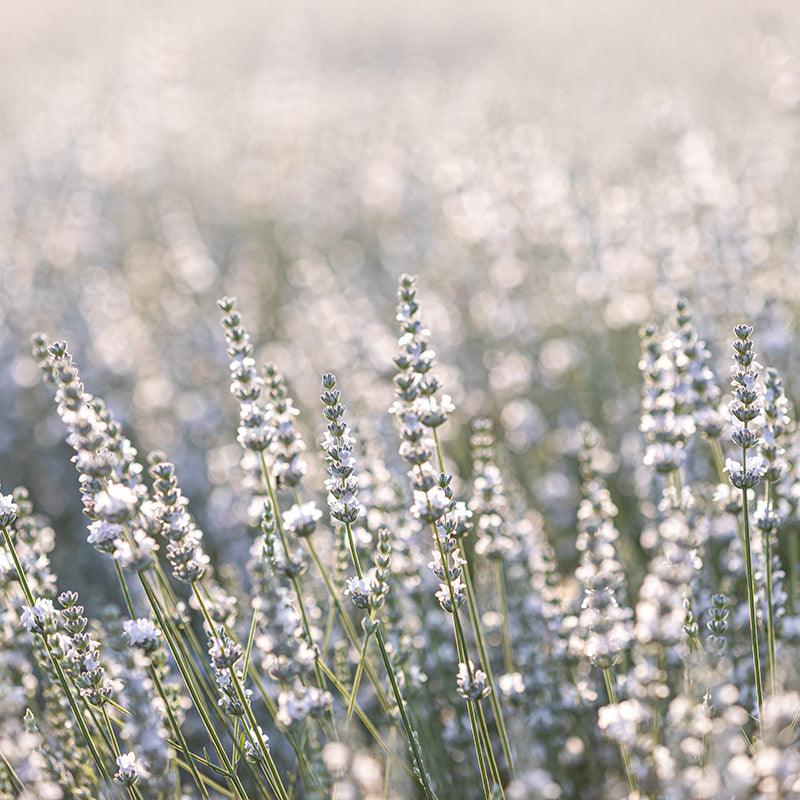
Arctic Snow Lavender, scientifically known as Lavandula angustifolia 'Arctic Snow', is a stunning cultivar of the popular lavender plant. Renowned for its compact growth habit, aromatic foliage, and beautiful white flowers, Arctic Snow Lavender is a delightful addition to any garden.
Sustainably grown in 2.75" pots
Choosing the Right Location
When selecting a location for Arctic Snow Lavender, it's essential to choose a spot that receives full sunlight for at least 6 to 8 hours per day. This ensures optimal growth and flowering. Additionally, ensure the soil is well-drained to prevent waterlogging, as lavender plants are susceptible to root rot in soggy conditions. Arctic Snow Lavender thrives in slightly alkaline to neutral soil with a pH level between 6.0 and 7.0. If your soil is too acidic, consider amending it with lime to raise the pH level.
Planting Arctic Snow Lavender
Transplant starts outdoors after the danger of frost has passed, spacing them 12 to 18 inches apart to allow for adequate airflow. Plant them at the same depth as they were in their nursery pots and water thoroughly after planting.
Watering and Care
Once established, Arctic Snow Lavender is relatively drought-tolerant and requires minimal watering. Water newly planted starts regularly to help them establish strong root systems, then gradually reduce watering frequency as the plants mature. Avoid overwatering, as lavender plants are susceptible to root rot in waterlogged soil. Instead, water deeply but infrequently, allowing the soil to dry out between waterings. Mulching around the base of the plants helps retain soil moisture and suppresses weed growth.
Fertilizing
Arctic Snow Lavender is not a heavy feeder and generally does not require frequent fertilization. However, you can apply a balanced, slow-release fertilizer in early spring to provide essential nutrients for healthy growth and flowering. Avoid using high-nitrogen fertilizers, as they can promote lush foliage at the expense of flowers. Monitor the growth of your Arctic Snow Lavender plants and adjust fertilization as needed based on their performance.
Pruning and Maintenance
Regular pruning helps maintain the compact growth habit and promotes abundant flowering in Arctic Snow Lavender. Prune the plants lightly in early spring to remove any dead or damaged foliage and encourage new growth. After the first flush of flowers has faded, trim back the spent flower stems to promote reblooming. Avoid cutting into old wood, as this can damage the plants and inhibit regrowth. Additionally, prune Arctic Snow Lavender plants lightly in the fall to tidy up the foliage and prepare them for winter dormancy.
Pest and Disease Management
Arctic Snow Lavender is relatively pest and disease-resistant, but it may occasionally encounter problems such as aphids, spider mites, or fungal diseases. Monitor your plants regularly for signs of pest infestations or disease symptoms, and take appropriate action to control them. Insecticidal soap or neem oil can help eliminate aphids and other soft-bodied pests while pruning away affected foliage can prevent the spread of fungal diseases. Proper spacing and good airflow also help reduce the risk of pest and disease problems.
Overwintering
In regions with cold winters, Arctic Snow Lavender may require protection from freezing temperatures. Apply a layer of mulch around the base of the plants in late fall to insulate the roots and protect them from frost damage. Alternatively, you can grow Arctic Snow Lavender in containers and overwinter them indoors in a cool, bright location until spring. With proper care and protection, Arctic Snow Lavender can survive winter temperatures and thrive for many years in your garden.
Arctic Snow Lavender is a beautiful and versatile herb that adds fragrance, color, and texture to any garden. By following the guidelines outlined in this guide and providing proper care and attention, you can cultivate healthy Arctic Snow Lavender plants that will delight your senses and enhance your outdoor space. Whether used for culinary purposes, aromatherapy, or ornamental value, Arctic Snow Lavender is a valuable addition to any garden.
Shipping Notes
- Free Standard Shipping on $100+ Orders to the USA.
- Except Preorder products are shipped in 48 hours.
- Delivery to the USA:
- Standard Shipping : 3-10 business days
- If time is of the essence, please consider selecting expedited delivery for faster service.
Exchange/Return Notes
- We offer a 30-day return/exchange service after receiving.
- Final sale items are not eligible for returns or exchanges.
- To process your return/exchange, please contact us at [email protected]
- Please click here for more details>>> Return & Exchange Policy