Pay in installments of $5.81 with
 ,
,
 and
and

Shipping Estimate
USA
- USA
- CAN
- USA
- CAN
Ships within 48 hours · Estimated delivery Jun 28 - Jul 3
 Promo Codes Available:
For Your Every Summer RSVP, with Code: SUMMER15
Description
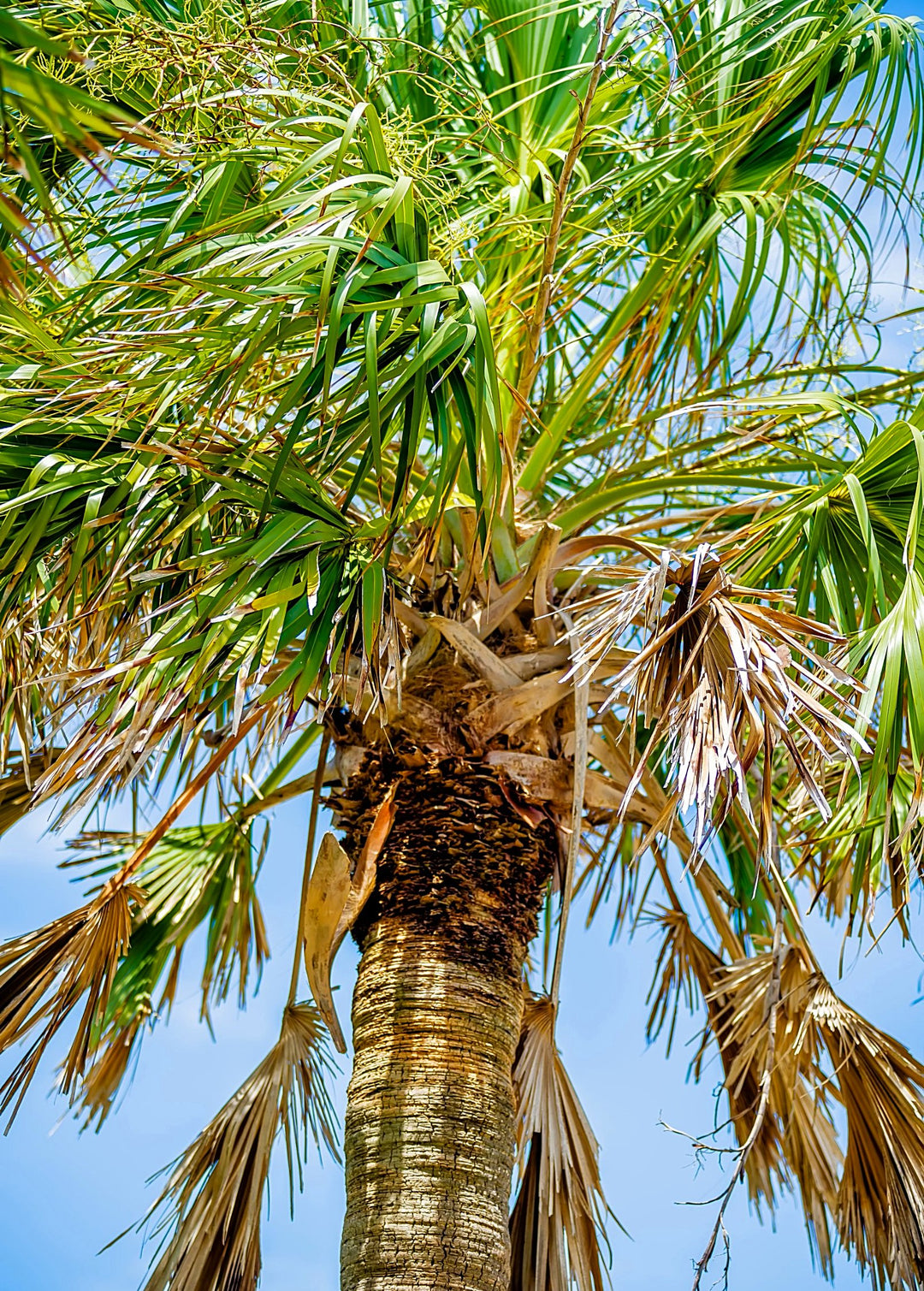
sabal palm plant Sow ExoticIconic, Hardy State Tree of Florida Common Names: Sabal Palm, Cabbage Palm, Palmetto Tree, Sabal Palmetto, Cabbage Palmetto Family: Arecaceae Origin: Southeastern United States (Florida, Georgia, South Carolina), the Caribbean The Sabal Palm (Sabal palmetto), also known as the Cabbage Palm, is an iconic tree of the southeastern United States, particularly in Florida, where it serves as the state tree. This hardy palm is well known for its resilience
Iconic, Hardy State Tree of Florida
Common Names: Sabal Palm, Cabbage Palm, Palmetto Tree, Sabal Palmetto, Cabbage Palmetto
Family: Arecaceae
Origin: Southeastern United States (Florida, Georgia, South Carolina), the Caribbean
The Sabal Palm (Sabal palmetto), also known as the Cabbage Palm, is an iconic tree of the southeastern United States, particularly in Florida, where it serves as the state tree. This hardy palm is well-known for its resilience to salt, wind, drought, and even brief periods of flooding, making it an excellent choice for coastal landscapes and urban settings. The Sabal Palm is an evergreen, fan-leaved palm that can grow up to 40-50 feet tall, providing shade, beauty, and habitat for wildlife. The tree also has a long history of use in traditional medicine and food, with its edible "heart" known as the "cabbage" being a prized delicacy in some cultures.
Distinctive Features, Uses, and Historical Value
Foliage: The Sabal Palm features fan-shaped, deeply cut fronds that can grow up to 6 feet long. These fronds create a lush, full canopy that adds a tropical feel to any landscape.
Trunk: The trunk is often covered with the remnants of old leaf bases (known as "boots") unless they are removed for a smooth look. Over time, the trunk develops a unique texture that adds character to the tree.
Flowers and Fruit: The tree produces small, creamy-white flowers in the summer, followed by dark, pea-sized fruits that attract birds and wildlife.
Cabbage Heart: The edible "heart" of the Sabal Palm is known as the "cabbage," traditionally harvested and eaten in salads or cooked dishes, though removing the heart can kill the tree. Historically, indigenous peoples and early settlers used the Sabal Palm for food, medicine, and building materials.
Ornamental and Practical Uses
Sabal Palms are highly valued in landscaping due to their ability to tolerate a wide range of conditions, including high winds, salt spray, and drought, making them ideal for coastal areas and urban environments. Their tall, stately appearance adds elegance to gardens, parks, and cityscapes. Additionally, the tree provides habitat and food for various wildlife species, including birds and insects. While the "cabbage" heart is edible, harvesting it requires cutting down the tree, making it less commonly used today.
Shipping Notes
- Free Standard Shipping on $100+ Orders to the USA.
- Except Preorder products are shipped in 48 hours.
- Delivery to the USA:
- Standard Shipping : 3-10 business days
- If time is of the essence, please consider selecting expedited delivery for faster service.
Exchange/Return Notes
- We offer a 30-day return/exchange service after receiving.
- Final sale items are not eligible for returns or exchanges.
- To process your return/exchange, please contact us at [email protected]
- Please click here for more details>>> Return & Exchange Policy